
新冠肺炎将加快媒体及娱乐远程制作方案的采用
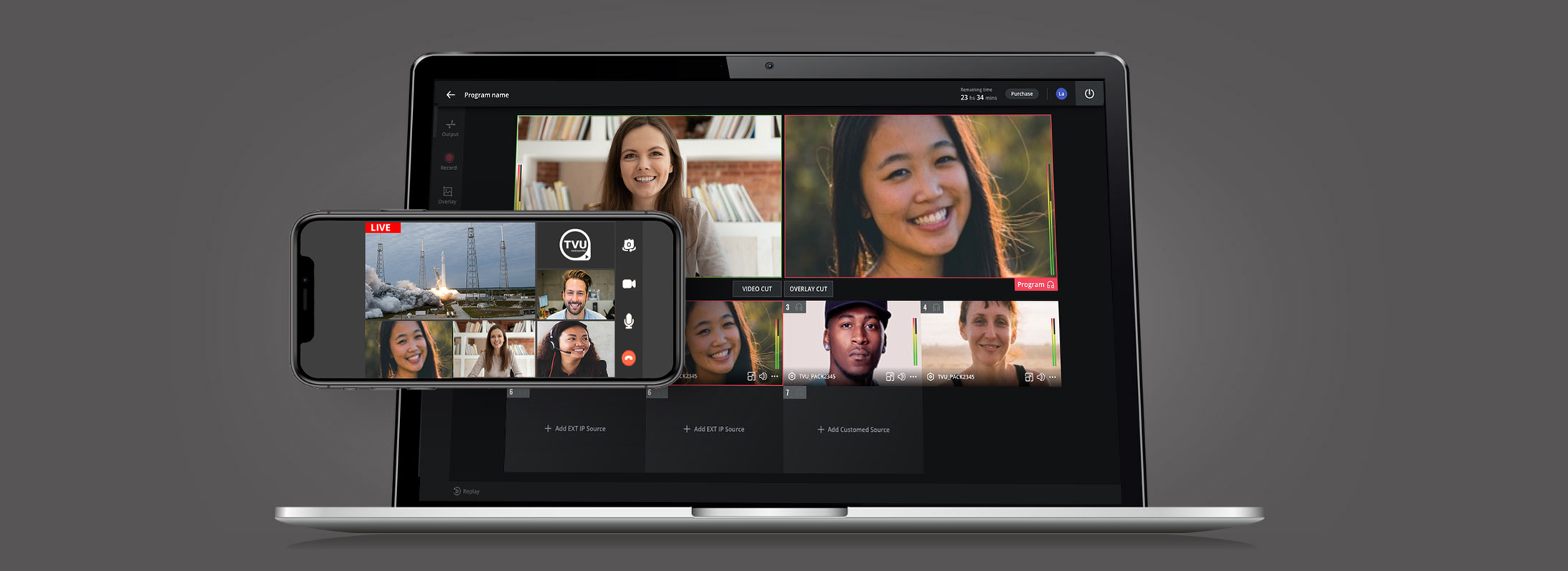
移动设备、快速互联网接入、云计算和软件即服务策略正为远程制作人员提供更强大的助力以及提供更灵活的工作流程
The repercussions of the COVID-19 pandemic continue to ripple out across society and in so doing raise a question in the minds of many. Which effects of the virus will be lasting, and which will recede as the disease wanes?
One that’s likely to continue into the foreseeable future is the work-from-home phenomenon. Even before the pandemic forced businesses to adhere to social distancing mandates and direct many employees to work remotely, the number of people working outside the office was on an upward trajectory.
A January 2020 article from TechRepublic quoting a GetApp report trumpets that “[o]ne of the most defining tech trends of the past decade [2010-2019] involved remote work habits, which expanded by almost 400%.” According to the article, findings from the GetApp survey of 912 employees in the United States revealed that before the pandemic 78% said they worked remotely some of time; 58% worked remotely at least once a month; and 36% did so at least once a week.
Fast forward to the trend that has emerged since the pandemic struck. Results of a survey conducted over six weeks by iOMETRiCS and Global Workplace Analytics of 2,850 “white collar” workers released in May found that nearly 90% of respondents were working from home on a regular basis. Moreover, 77% said they were working from home five days per week.
Putting a finer point on this for the Media & Entertainment (M&E) industry is a March 20 article on Forbes.com that reports on data from cloud security services provider Netskope showing 58% of U.S. knowledge workers were working from home. A May 12 update on the Netskope website reveals about two-thirds of North American users were working remotely.
Technology is a key enabler for working remotely. As far back as 2010 and throughout the ensuing decade powerful mobile devices, fast internet connections, the cloud and software-as-a-service all contributed to making it easier for employees to eschew the office in favor of working from home, the GetApp report found.
During that same period, these very same technologies—in a broad sense—were being used by media companies to enable more flexible workflows. Since the outbreak of COVID-19, they have served as key enablers of remote video workflows, which by necessity have replaced traditional approaches. However, when it comes to the specifics, there are many important differences that make some a poor fit for media applications and others far more appropriate.
Over the coming weeks and months in this space, we will examine those differences; what technologies are necessary to support remote media workflows; how to best blend the talents of remote workers with in-studio or on-site skeleton crews; why many M&E businesses will find it continues to be in their best interest post-COVID-19 to maintain or even expand their remote workforce; and how remote workflows can promote even greater efficiencies and contribute to a more satisfied workforce.
Start a Discussion
For any information on this case or for any enquiries on the above products
We can help